

Silvia Fruhmann
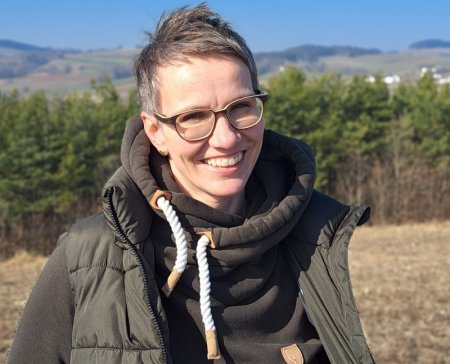
Silvia Fruhmann’s credo for vegetable farming is simple: only healthy soil produces healthy food. During the summer, the soil is covered with a mulch layer of alfalfa, which retains moisture, fosters soil life, and keeps pests in check. Cattle manure is used for fertilization, and the farmer further strengthens her crops with herbal teas made from plants such as nettle, comfrey, and yarrow.
Flowering strips between the vegetable rows are particularly important to Silvia Fruhmann; they provide food and habitat for many insects and encourage beneficial species that play a vital role in her vegetable farming. Perennial flowering strips allow insect populations to become permanently established.
With around 40 different vegetable varieties, Silvia Fruhmann consciously prioritizes diversity in her cultivation. This promotes not only genetic but also culinary variety. Variety also offers economic security: if one crop performs poorly, the resulting yield losses can be offset by other crops.
Structural elements are also deliberately created around the fields: a multi-purpose hedge featuring fruit trees and shrubs serves as a windbreak for the crops while simultaneously providing a habitat for numerous animal species. Old or dead trees are left standing, thorny hedges are allowed to grow, and nesting boxes are installed. Piles of deadwood and stones—serving as "beetle castles" and "reptile hotels"—provide additional refuges for local wildlife.
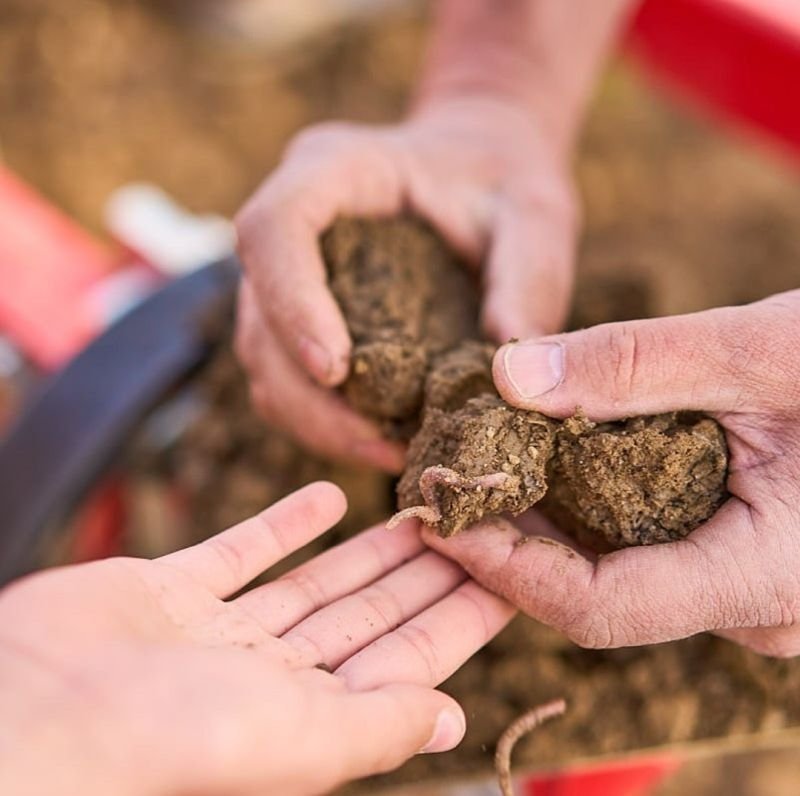
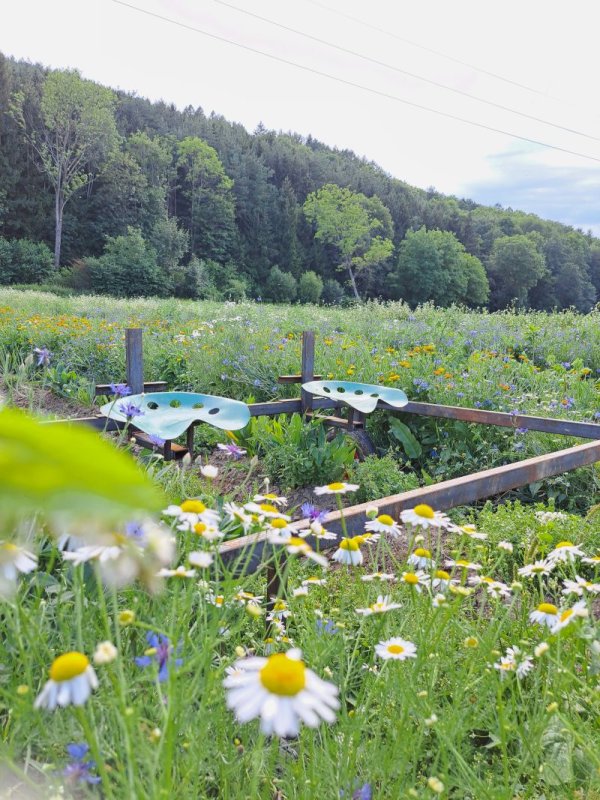
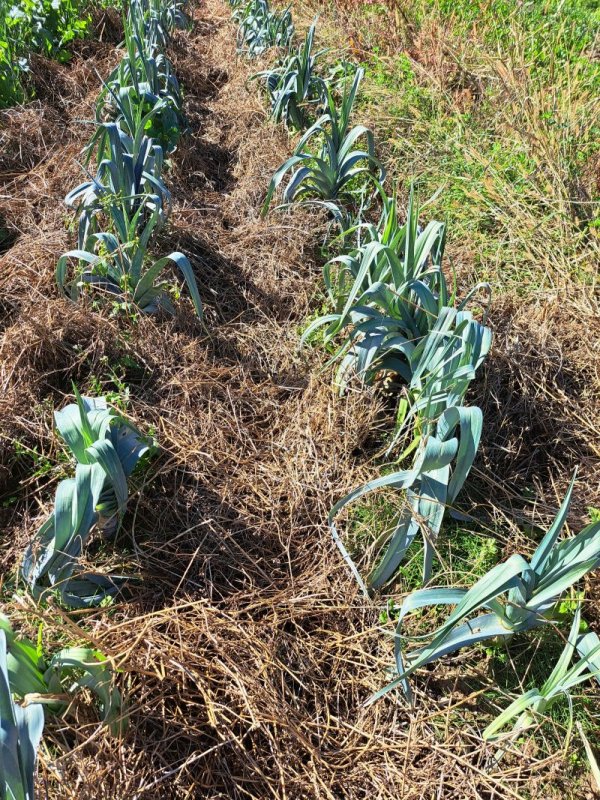
Foto li: Roman Hammer